From Rooflines to Entryways: Where Should Your Christmas Lights Go?
September 8, 2026
When it comes to Christmas lights, it's easy to think the more you decorate, the better your home will look.
But a beautiful holiday display isn't necessarily about using more lights. It's about knowing where to put them.
A roofline can define the shape of your home. Lighting around an entryway can make the front door feel warm and inviting. Trees, windows, walkways, and architectural details can add depth and personality.
The trick is knowing which features deserve the spotlight—and which ones are better left alone.
Whether you're planning a simple display or a more elaborate holiday setup, here's a look at some of the best places to put Christmas lights around your home.
Start With the Roofline
For many homes, the roofline is the natural starting point.
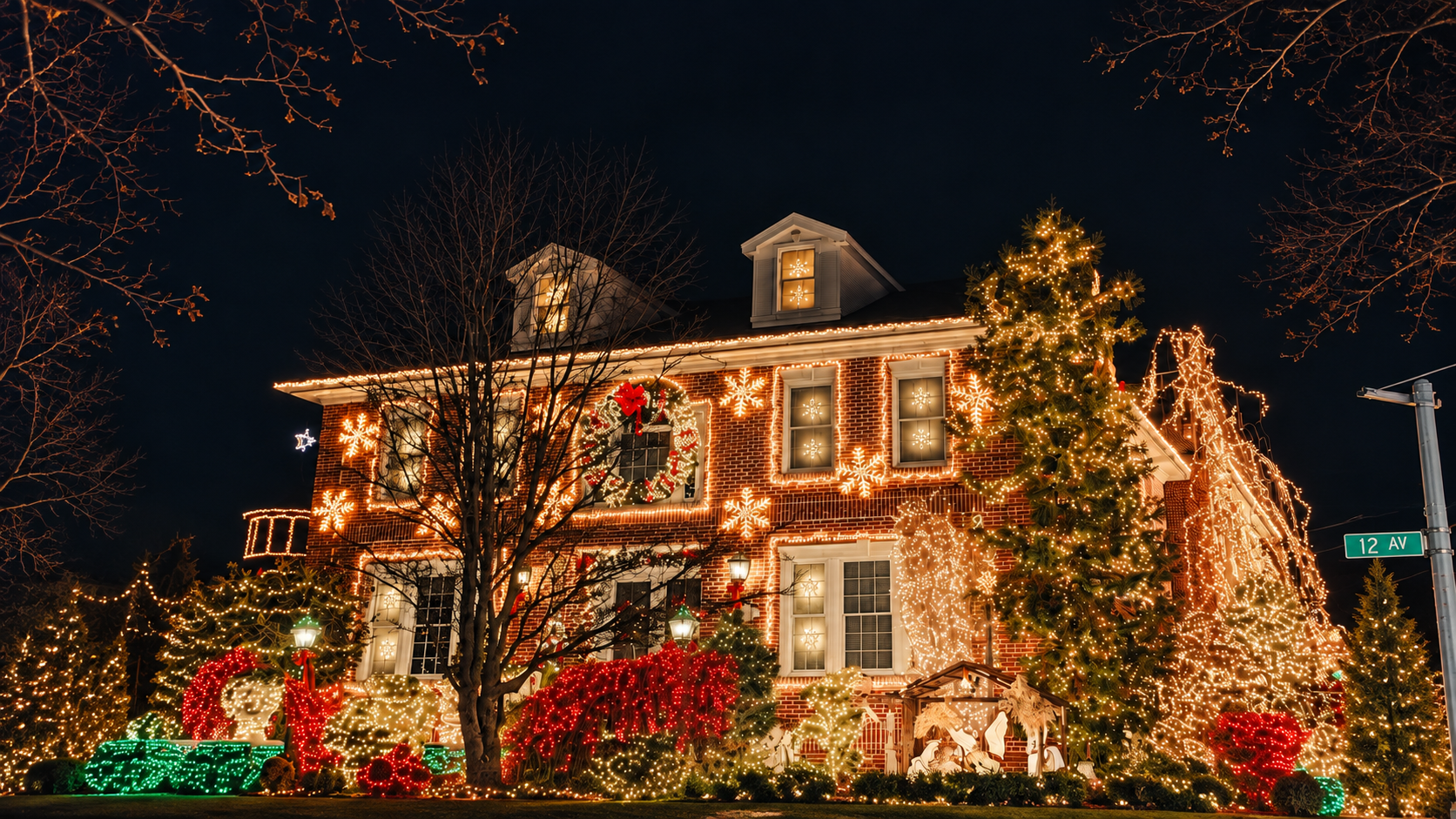
Outlining the edges of your roof can make the architecture stand out after dark and give the entire property a defined shape. This can work especially well on homes with distinctive peaks, gables, porches, or clean architectural lines.
You don't necessarily need to outline every section of the roof.
Focus on the areas that are most visible from the street and that help define the home's overall silhouette.
A well-planned roofline can make a noticeable impact without requiring lights on every part of the property.
Give the Entryway Some Attention
Your front door is where guests arrive, so it deserves more than an afterthought.
Lighting around the entryway can create a welcoming focal point and help connect the front of the home with the rest of the display.
Consider outlining the door, highlighting a porch, or adding subtle lighting to nearby columns or architectural details.
The goal isn't to make the entrance the brightest part of the property. It should simply feel intentional and easy to notice.
For homes with a covered porch, lights can also help define the space and give the entrance more visual depth.
Don't Forget the Windows
Windows can add another layer to a Christmas light display.
Depending on the home's architecture, you might highlight a few prominent windows rather than lighting every one. This can work particularly well when the windows have distinctive frames, shutters, arches, or other architectural details.
Lighting windows can also help balance a display when the roofline is already heavily decorated.
The key is consistency. If you're outlining multiple windows, keeping the spacing and lighting style uniform can make the finished look feel much more polished.
Use Trees and Landscaping to Add Depth
Your home's landscaping can help take the display beyond the walls of the house.
Trees, hedges, shrubs, garden beds, and other landscape features can add another layer of light at ground level.
A mature tree might become a focal point with lights wrapped through its branches. Smaller shrubs can provide subtle accents near the front of the property. Lights along a walkway can guide the eye toward the entrance.
You don't need to decorate every plant.
Choose the landscaping features that are most visible and that naturally complement the architecture.
Light the Walkways
Walkway lighting serves both a practical and decorative purpose.
A softly illuminated path can help guide guests toward the front door while making the entire property feel more connected.
You can use evenly spaced lights along a walkway or incorporate lighting into nearby landscaping. The important thing is to keep the arrangement balanced.
Avoid creating a line of lights that feels disconnected from the rest of the display. The walkway should support the overall design rather than become a separate feature.
Highlight Architectural Details
Some of the most interesting places to add Christmas lights aren't necessarily the most obvious.
Look for features such as:
- Columns and pillars
- Arches
- Balconies
- Fences and gates
- Dormers
- Garage doors
- Pergolas or outdoor structures
These details can give a display more personality and help emphasize what makes the home unique.
You don't have to light all of them. Choose one or two architectural elements that naturally draw attention and build the design around them.
Think About What You See From the Street
Before adding more lights, step back.
A display that looks great when you're standing underneath it can look very different from across the street.
Consider the overall balance of the property. Does the roofline overpower the entryway? Is one side noticeably brighter than the other? Are the landscaping lights helping frame the house, or are they competing with it?
Looking at the property from a distance can help you decide where another strand of lights would actually improve the design—and where it would simply add clutter.
Sometimes the best Christmas light display is the one that knows when to stop.
Keep Local Weather in Mind
Where you live can also influence where and how you install your Christmas lights.
Homes in San Luis Obispo, Pismo Beach, Shell Beach, Avila Beach, Arroyo Grande, Grover Beach, and Oceano can experience different levels of wind and exposure, particularly in more open or coastal areas.
Before installing lights, consider which parts of your property are most exposed to wind and weather. Rooflines, tall trees, and other elevated areas may need extra attention when it comes to securing lights and decorations.
Using outdoor-rated lighting and making sure connections are properly protected can also help your installation hold up throughout the holiday season.
A little planning for local conditions can make a big difference—not just in how your lights look on installation day, but in how well they stay in place afterward.
Don't Overlook Hard-to-Reach Areas
Rooflines, tall trees, second-story windows, and other elevated features can create some of the most impressive effects—but they're also areas where installation requires extra care.
Climbing ladders, working at height, managing extension cords, and securing lights properly can turn a simple decorating project into a much bigger job.
If you're considering tackling a more complicated installation yourself, Clear Wave Windows' guide to DIY vs. professional holiday lighting offers a helpful look at the safety, maintenance, and installation considerations involved.
For particularly high or difficult-to-access areas, professional installation can also help ensure the lights are positioned securely and the finished design looks intentional.
Build the Display From the Biggest Features Down
If you're not sure where to start, think in layers.
First, identify the major features you want to highlight—perhaps the roofline, front entrance, or a large tree.
Then add secondary elements such as windows, landscaping, and walkways.
Finally, look for smaller architectural details that could use a subtle accent.
This approach helps keep the display cohesive instead of making it feel like lights were simply added wherever there was an available outlet.
The Right Placement Makes All the Difference
There are plenty of places around a home where Christmas lights can go, but that doesn't mean every surface needs to be decorated.
A strong holiday display uses lighting to guide attention.
The roofline defines the home. The entryway creates a focal point. Windows and architectural details add character. Landscaping and pathways extend the design beyond the house.
When these elements work together, you can create a display that feels complete without feeling crowded.
And if you're unsure where to begin, SLO Christmas Lights can help you plan and install a holiday lighting design around the features that make your home stand out.
Whether you want a simple roofline, a welcoming entryway, illuminated landscaping, or a complete holiday installation, thoughtful placement can make all the difference.
Because sometimes it's not about adding more lights.
It's about putting them in the right places.